Inout Loading
Explore Features
Stay Updated
Get the latest updates and insights into resident management solutions delivered straight to your inbox.
Download Our App
Get the latest updates and insights into resident management solutions delivered straight to your inbox.
Download Our App

There's a common assumption that more automation at the gate means fewer security staff are needed. In residencies that have actually made the switch, the more accurate description is that automation changes what security staff spend their time on — not whether they're needed at all.
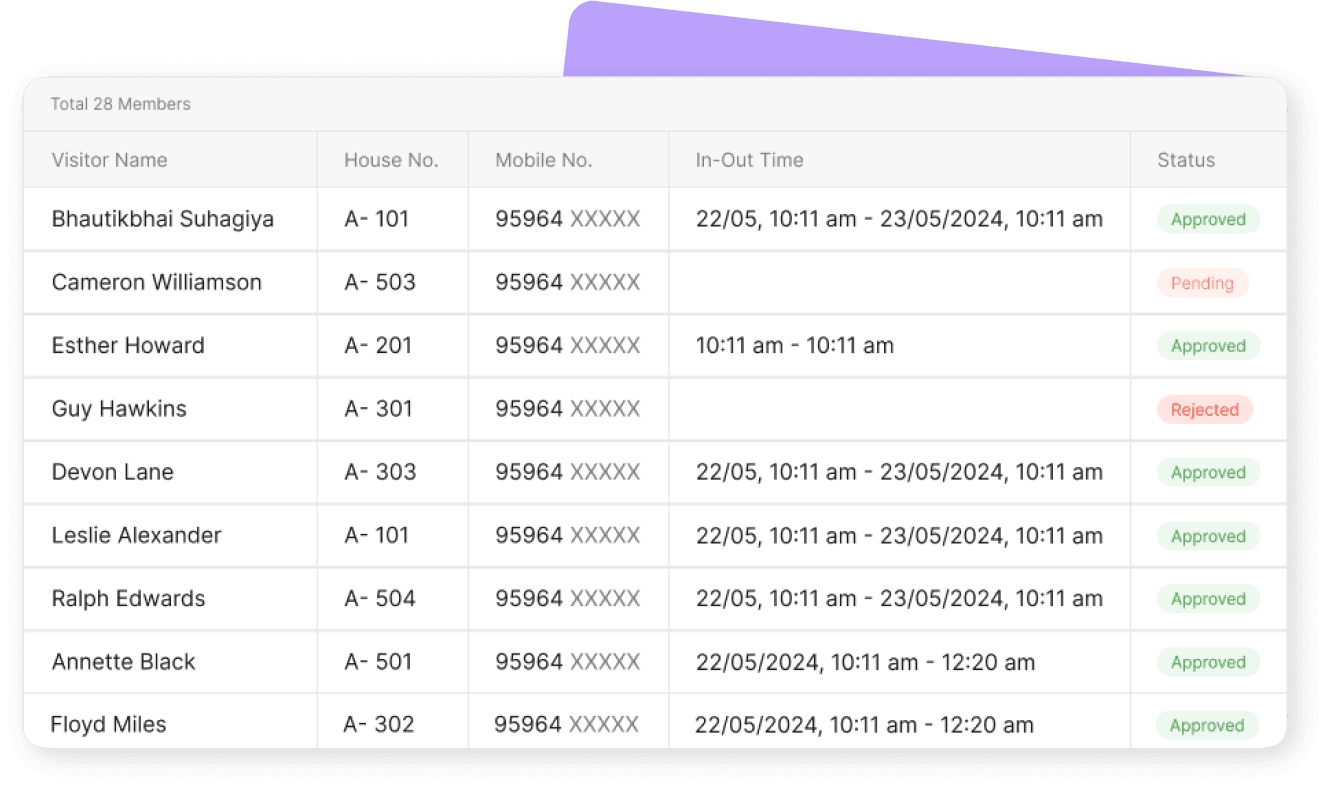
Manually verifying every pre-approved visitor, writing entries in a register, and repeatedly confirming the same recurring vehicles are all repetitive tasks that don't require judgment. Digital pre-approval and RFID-based vehicle access handle exactly that category of work.
No system can read body language, sense when something feels off about a visitor's story, or make a split-second call during an actual emergency. Those remain fundamentally human skills — and reducing the repetitive workload around them is what lets guards apply that judgment more attentively instead of being worn down by paperwork.
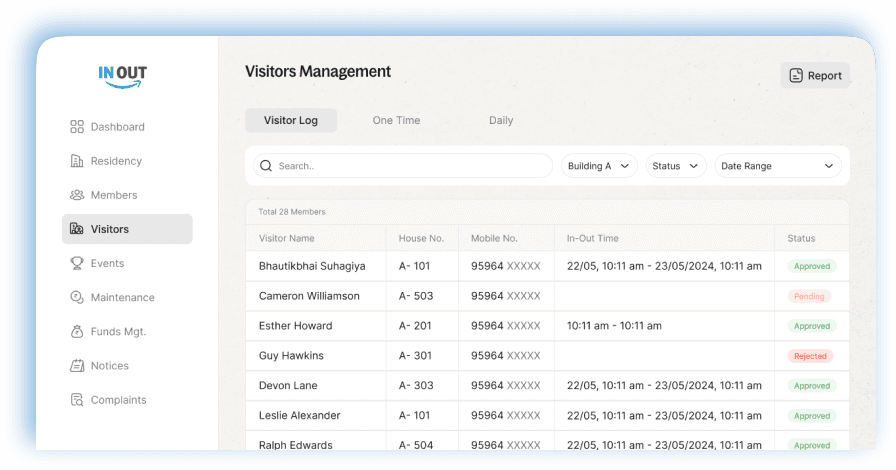
Ask a security guard what used to eat up their shift, and manually writing visitor entries into a register during a busy Sunday afternoon — when deliveries, guests, and cabs all seem to arrive at once — is usually near the top. That's the exact task digital pre-approval and QR-based check-in remove almost entirely. What's left is the part of the job that actually needs a person standing at the gate: noticing when someone's story doesn't quite add up, or reacting to something genuinely out of the ordinary.
It shifts the emphasis somewhat. When guards spend less time on repetitive logging, judgment, communication, and composure under pressure become a larger share of what actually determines whether they're good at the job — as opposed to how neatly they can maintain a handwritten register. Some societies have started factoring this into how they brief and train security staff, treating the app as a tool the guard uses rather than a replacement for the guard's attention.
The honest risk is complacency — a guard who assumes the app has already checked everything and stops paying attention to who's actually walking through the gate. The residencies that manage this well treat digital tools as one input among several, not a replacement for actually looking at who's in front of you. A pre-approved visitor pass on a phone screen is still worth a glance to confirm it matches the person holding it.
The residencies that get the most out of digital security aren't the ones that treat it as a replacement for staff — they're the ones that use it to make their existing staff more effective at the part of the job that actually requires a person.